
Implant dentistry · Cheltenham
Dental implants in Cheltenham, clearly planned.
Explore options for one tooth, several teeth, a fixed full arch (All-on-4) or an implant-retained overdenture. Your CBCT assessment, 3D planning, implant placement and final restoration are coordinated by the same Park Road Dental team.
The consultation includes CBCT, a digital scan and photos. Gap-free with health-fund cover, or $250 without health-fund cover. Implant treatment is quoted separately.
- 01Tooth removed
- 02Implant placed
- 03Crown fitted
- 04Restored
- 155 Park Road Cheltenham VIC 3192
- On-site parkingat the practice
- 3D CBCT planningtaken in-house
- Open six daysincluding two evenings
Find your starting point
What are you looking to replace?
Choose an option to see the common approach. A clinical assessment is still needed to determine suitability.
For one missing tooth
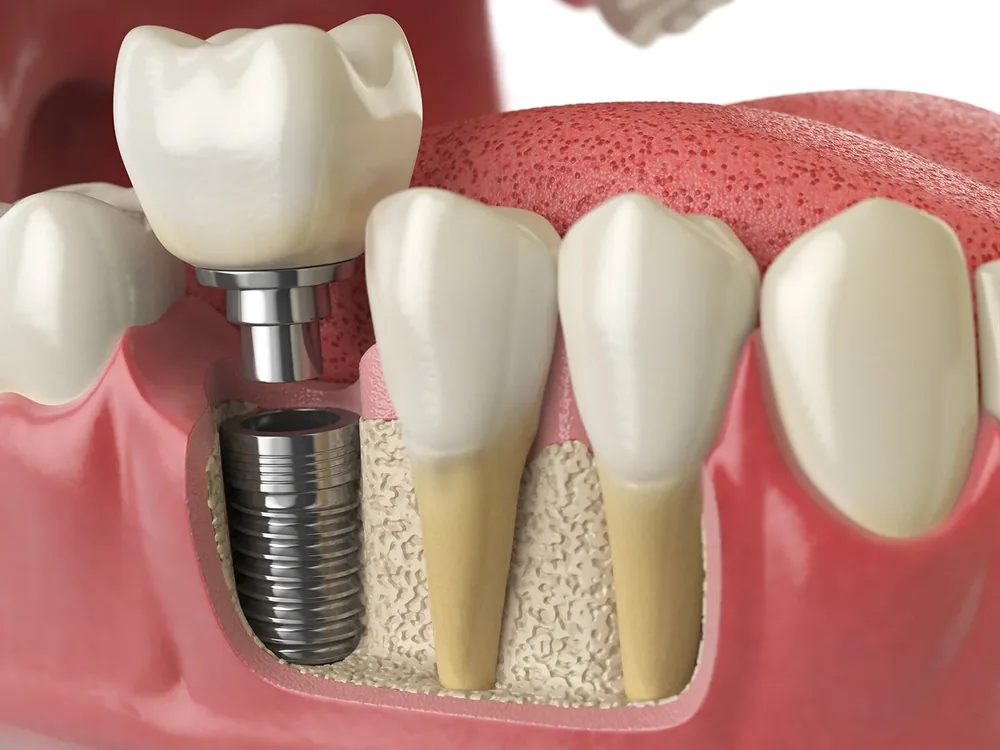
Single implant and crown
One implant supports one fixed crown without relying on the neighbouring teeth. Your bone, gums and bite are assessed before treatment is planned.
- Designed for one missing tooth
- Planned with 3D CBCT imaging in-house
- Final crown fitted after appropriate healing
For several missing teeth in a row
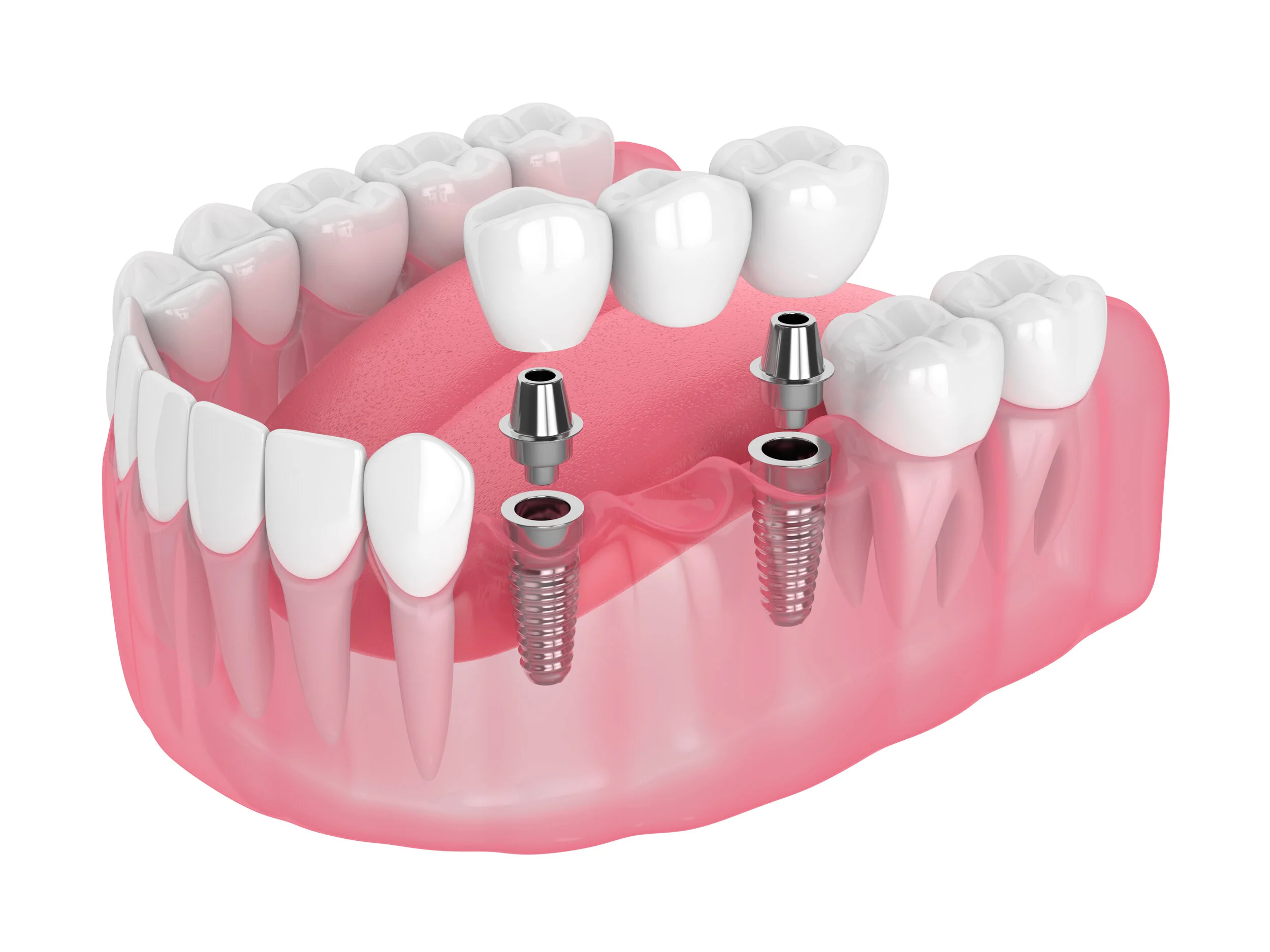
Implant-supported bridge
Two or more implants may support a fixed bridge across a gap. The number and position of implants depends on your bone, bite and the span being restored.
- Fixed in place rather than removed at night
- May use fewer implants than teeth replaced
- Alternatives discussed during consultation
For a complete upper or lower arch
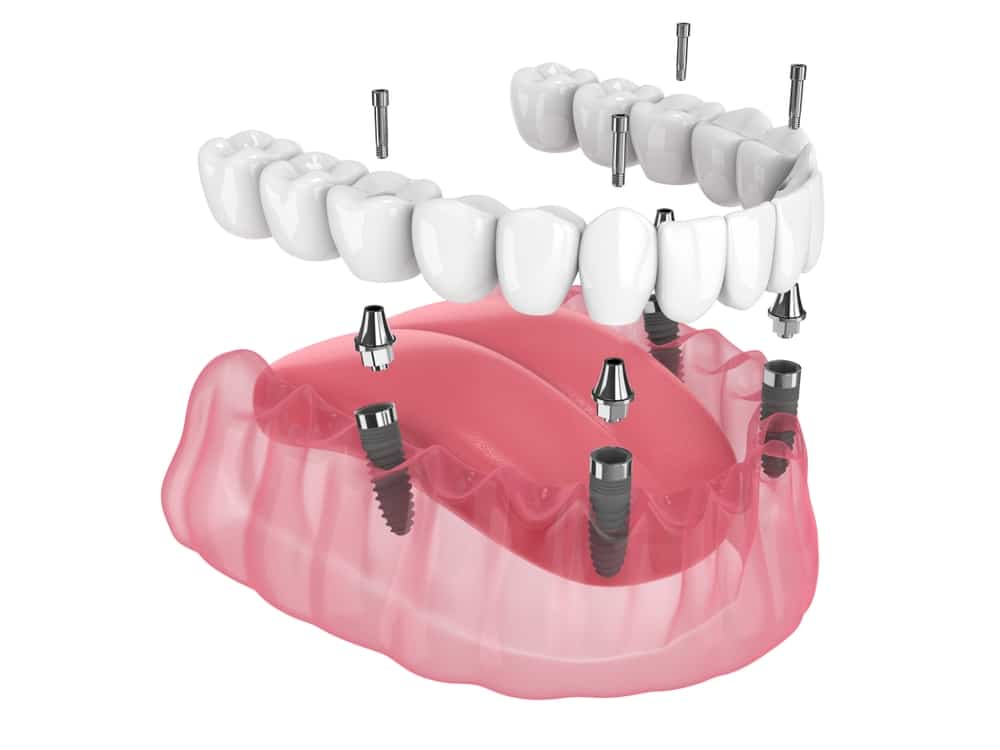
Fixed full-arch treatment (All-on-4 / AOX)
All-on-X (AOX) treatment uses multiple implants to support a fixed full-arch prosthesis. Depending on your assessment, a complete arch can be carried on as few as four implants — the approach widely known as All-on-4. The number and position of implants, timing and any additional procedures depend on your individual assessment.
- A fixed option for a complete arch
- Planned from your CBCT and digital records
- A written staged treatment plan is provided
For a removable complete arch
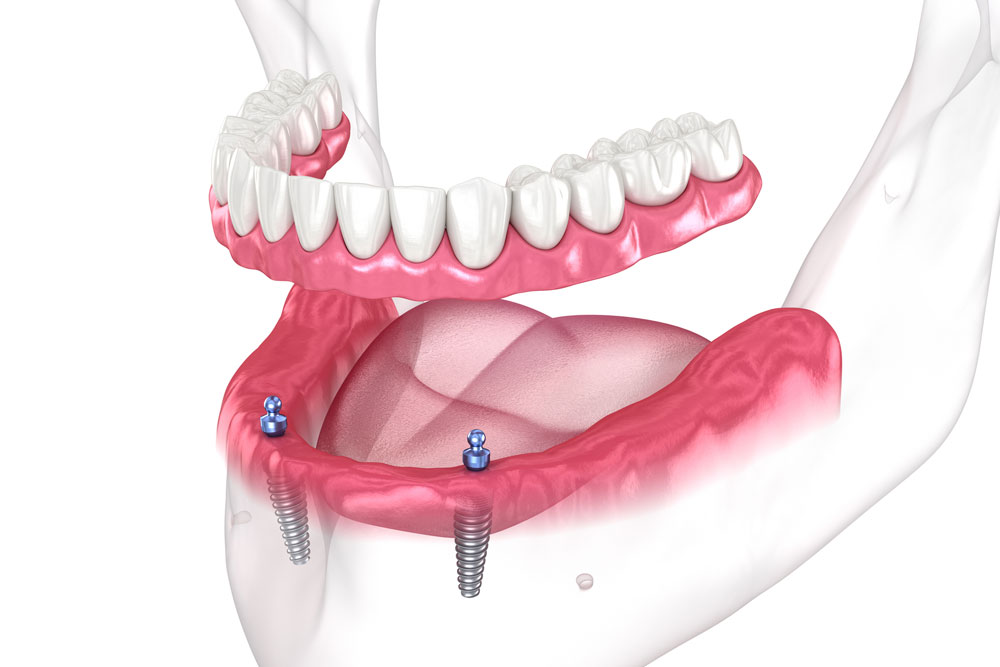
Implant-retained overdenture
An implant-retained overdenture is a removable denture that clips onto implants for added retention. You remove it for daily cleaning while the implants help hold it in place when worn.
- Often called a clip-on denture
- Removable for cleaning and maintenance
- Implant number and suitability require assessment
Your first visit
What to discuss at your implant assessment
Bring your questions, a current medication list and any relevant dental records you already have. Your dentist assesses your mouth and scans alongside your health history; the scan alone does not determine whether an implant is suitable.
Suitability and choices
Discuss your gum health, available bone, bite and the teeth around the gap. Tell your dentist about medical conditions, medicines and smoking so these can be considered in your plan.
Ask which options suit you, whether extra treatment is needed first, and what each choice means for healing and ongoing care.
A quote you can compare
Your consultation includes CBCT, a digital scan and photos: gap-free with health-fund cover, or $250 without. Implant treatment is quoted separately.
- Which implant, abutment and final restoration are included?
- Are extractions, grafting or a temporary tooth needed, and how are they priced?
- What follow-up and maintenance will be needed?
- What can your health fund contribute towards the proposed treatment?
What is a dental implant?
Three parts work together.
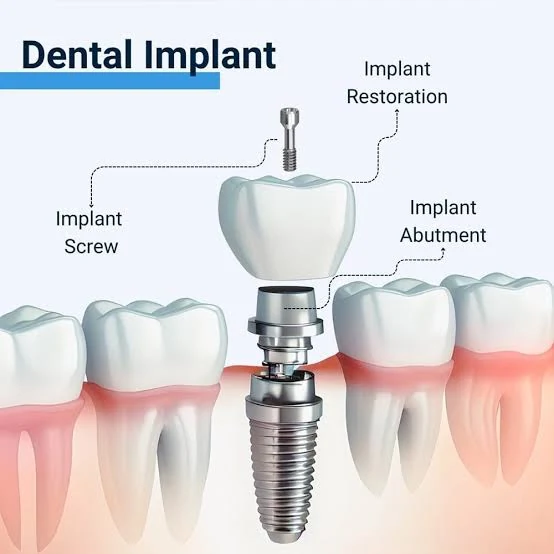
A dental implant restoration combines a titanium implant in the jaw, a connecting abutment and the visible crown, bridge or other restoration.
The diagram shows how they stack up. The implant takes the place of the tooth root, the abutment passes through the gum, and the crown is the only part you ever see — which is why a well-placed implant looks like the tooth that was there before.
- 01The crown
The visible ceramic tooth, shaped and shade-matched to work with your smile and bite.
- 02The abutment
The connector between the implant beneath the gum and the restoration above.
- 03The implant
A medical-grade titanium post placed in the jawbone, taking the role of the missing root.
The dental implant process, step by step
A single implant, in four visits.
This is the usual path for one implant. Some cases need extra steps — grafting, more healing time, staged extractions — and if yours does, we will tell you at the very first visit, before anything is booked.
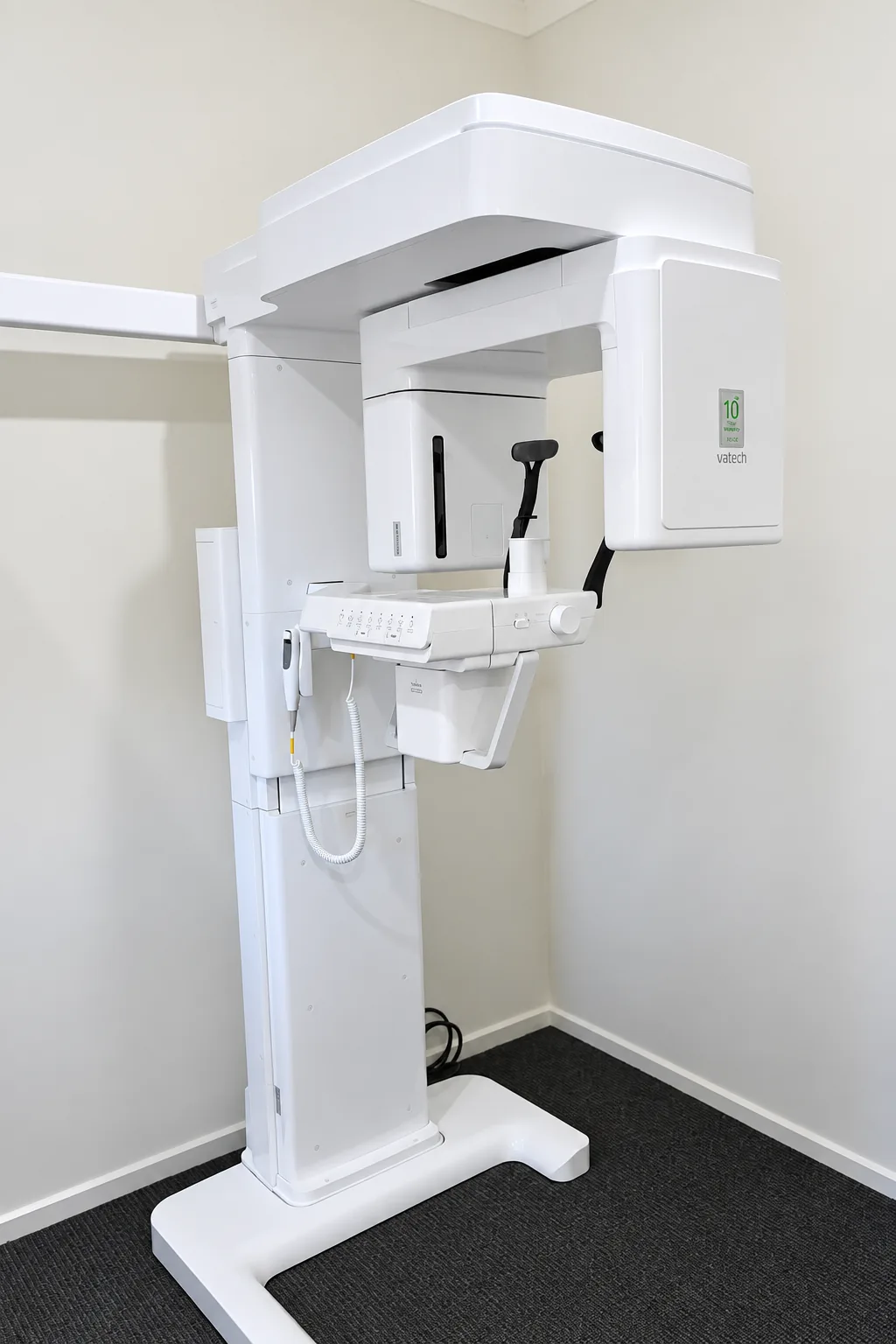
Appointment 1 · Consultation
CBCT, 3D scan, photos and a quote
Everything needed to plan your implant happens in one visit: a 3D CBCT X-ray, an intraoral 3D scan of your teeth, clinical photographs and the consultation itself.
Because all the records are taken on the spot, we can give you your written, itemised quote then and there.
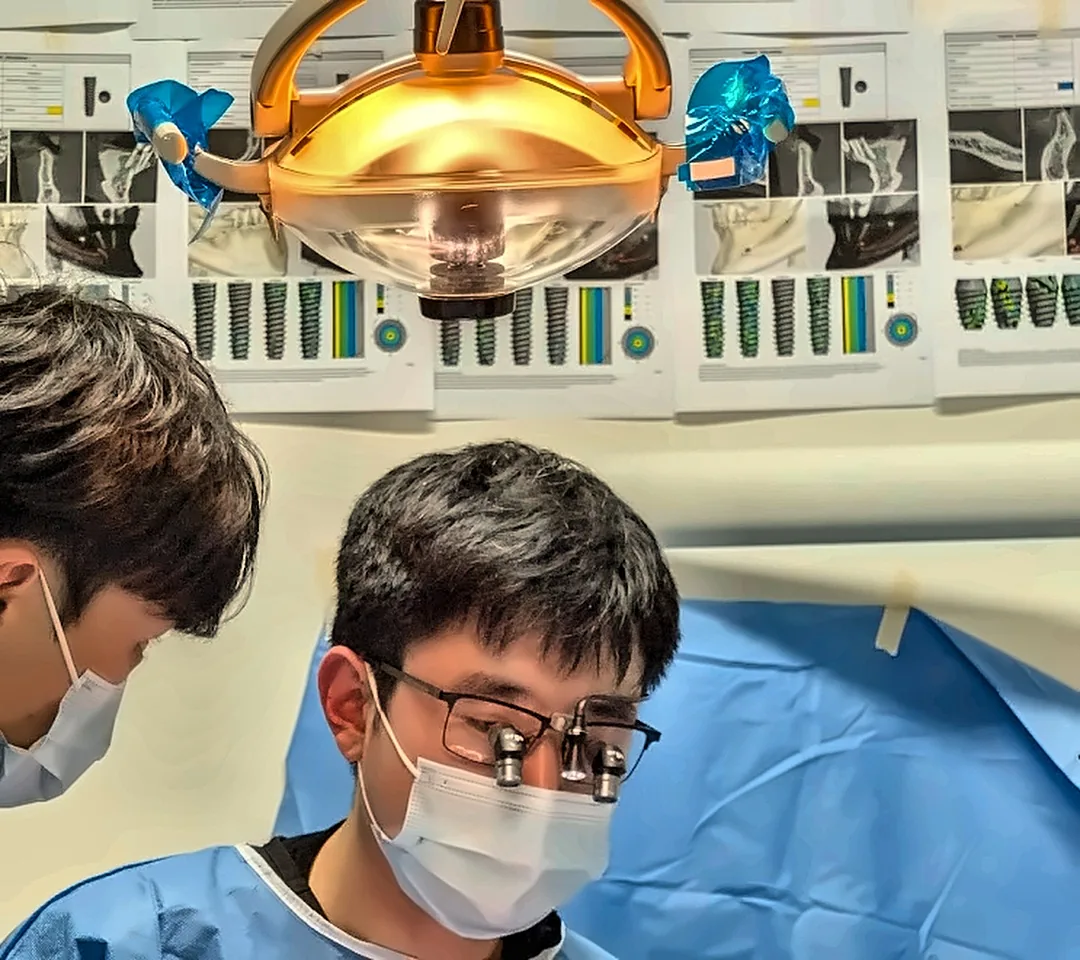
Appointment 2 · Surgery
The implant is placed
The implant is placed under local anaesthetic, following the position planned from your scans — with a 3D printed surgical guide where appropriate.
Most single placements take around 45 minutes to an hour, and you go home the same day with written aftercare instructions.

Appointment 3 · About 3 months later
Scanning for your crown
The implant needs roughly three months to bond with the bone — sometimes longer, and we confirm it has before moving on.
Once it has, we take a digital scan of the implant and your bite, and the final crown is made to fit it precisely.
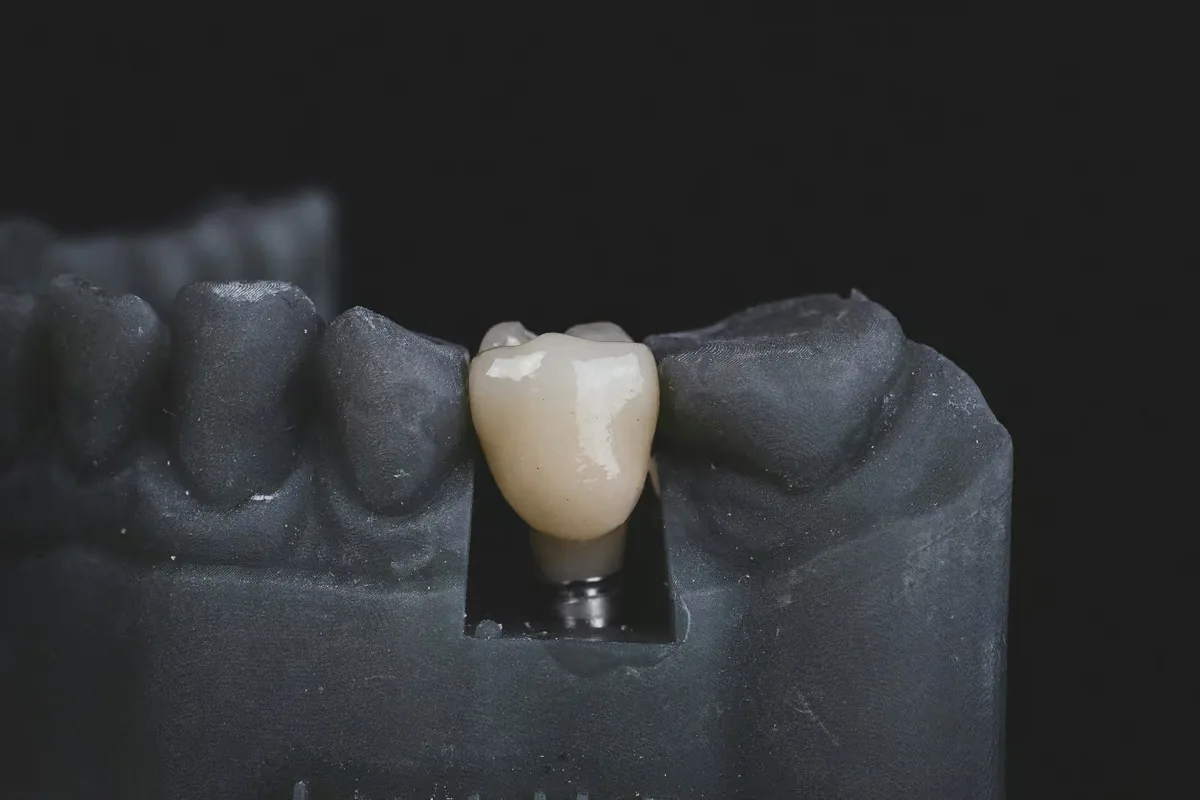
Appointment 4 · About 2 weeks later
Your new tooth is fitted
The finished crown is attached to the implant, the bite is checked and adjusted, and you leave with the gap gone.
After that it lives like a natural tooth — daily cleaning and regular check-ups keep it healthy for the long run.
Your dentists
Familiar faces at every stage.
Implant treatment is planned, placed and restored by the same principal dentists at the Cheltenham practice. Dr James Lee and Dr Harold Lee place implants routinely and stay trained in current surgical techniques and technology, with more than 200 implants placed and 14 years of combined implant experience between them. Every case is designed and planned from start to finish, using only reputable implant brands.

Principal dentist
Dr James Lee
Master of Dentistry (La Trobe). Advanced training in implantology and 3D CAD/CAM dentistry; leads the guided implant surgery and digital workflow.
Read Dr James Lee’s profile →
Principal dentist
Dr Harold Lee
Clinical focus on implant and cosmetic treatment—restoring both the function and appearance of a smile.
Read Dr Harold Lee’s profile →Before you decide
Clear costs. Clear clinical information.
Implant costs and health funds
Know the plan before you commit.
Cost depends on the number of teeth, the condition of your bone, the materials and the restoration. After assessment, you receive a written, itemised plan and quote.
- All major Australian health funds accepted
- Rebates depend on individual cover
- No referral is needed
Risks and considerations
Benefits, alternatives and risks explained.
Implant placement is an invasive procedure and carries risks. Suitability, healing, maintenance and relevant risks are discussed for your circumstances.
- Infection, bleeding or slower-than-expected healing can occur
- Smoking and some health conditions can affect healing
- Ongoing cleaning and regular reviews are required
Compare your options
Implants, bridges or dentures?
An implant is one way to replace a missing tooth. Ask your dentist to compare suitable alternatives and the implications of leaving the gap before deciding.
A bridge supported by teeth
A conventional bridge uses neighbouring teeth to support the replacement tooth. The condition of those supporting teeth matters when comparing it with an implant.
A removable denture
A denture can replace several teeth or a whole arch and is removed for cleaning. A conventional denture and an implant-retained overdenture have different support and maintenance needs.
Independent patient information: Healthdirect’s guide to dental implants, assessment and alternatives.
Common questions
Dental implant FAQs
Does getting a dental implant hurt?
Placement is done under local anaesthetic, which is used to numb the area during the procedure. Individual experiences of discomfort vary. Some tenderness afterwards is common; your dentist will discuss what to expect and how to manage it, and will advise you if anything should be reviewed.
What does the implant consultation include?
The implant consultation includes CBCT imaging, an intraoral digital scan and clinical photographs. It is gap-free with health-fund cover, or $250 without health-fund cover. Implant treatment and services outside this consultation package are quoted separately.
How much does a dental implant cost in Melbourne?
Cost depends on how many teeth are replaced, your bone and the materials used, so a single implant differs from a full-arch case. After a consultation with 3D imaging we provide a clear, written quote, and all major health funds are accepted on the spot.
What is guided implant surgery?
Guided surgery uses a 3D CBCT scan to plan the position of each implant on a computer, then a custom surgical guide is used to help transfer the plan to the clinical procedure. Whether guided placement is appropriate depends on your assessment.
How long does the dental implant process take?
Placement itself is often 45 minutes to an hour per implant. The implant then commonly needs about three to six months to bond with the bone before the final tooth is fitted. Timing varies between people and treatments, and fixed full-arch (All-on-4) cases follow their own staged timeline, which is explained in your written plan.
Can the implant be placed the same day my tooth is taken out?
Sometimes, yes. This is called an immediate dental implant — the implant is placed into the socket at the same visit the tooth is removed, which avoids the separate wait for the socket to heal first. Whether it suits you depends on the bone around the socket, any infection and the shape of the roots, so your dentist assesses your scans together with your clinical examination and health history. In selected cases, most often front teeth, a temporary tooth can be fitted the same day. When a staged approach is more predictable for your situation, that is what we recommend.
What are the risks of dental implants?
As with any surgical procedure there are risks, including infection, slow healing and an implant not integrating with the bone. The risks relevant to your circumstances are discussed before treatment, with a written plan to take home.
What are the alternatives to a dental implant?
Depending on your teeth and the gap, alternatives may include a bridge supported by neighbouring teeth or a removable denture. Your dentist will explain the suitable options, their costs and maintenance, and the implications of leaving the gap.
Who will place my implant?
Principal dentists Dr James Lee and Dr Harold Lee plan, place and restore implants in-house at Cheltenham. Dr James Lee has advanced training in implantology and 3D CAD/CAM dentistry and leads the practice’s guided implant surgery.
Start with a conversation
Book a dental implant consultation in Cheltenham
Book with principal dentists Dr James Lee or Dr Harold Lee — they plan and place every implant here. New patients are welcome and no referral is needed. We are open six days, including Wednesday and Thursday evenings and Saturday mornings, with on-site parking.